Before undertaking a home renovation, a meticulous inspection of the property is crucial. This process begins with assessing structural integrity, focusing on the foundation and load-bearing walls. Next, attention shifts to the electrical and plumbing systems, where safety and functionality must be verified. Walls, floors, and ceilings require examination for damage or mold. Identifying potential safety hazards is essential. Each step informs necessary repairs and shapes renovation plans. What comes next may surprise many homeowners.
Assessing Structural Integrity
Before embarking on a renovation project, it is essential for homeowners to evaluate the structural integrity of their property, as this assessment serves as the foundation for successful improvements.
Key focuses include foundation stability and the condition of load bearing walls, which must support the structure’s weight.
A thorough inspection ensures safety and informs potential upgrades, allowing for informed decisions during the renovation process.
See also: epicancestralbio
Evaluating Electrical and Plumbing Systems
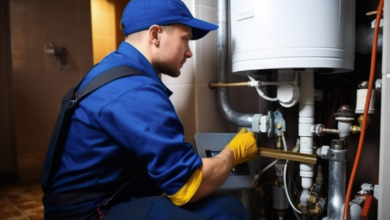
Following an assessment of the structural integrity, homeowners must turn their attention to the electrical and plumbing systems, which play vital roles in the overall functionality and safety of the home.
Evaluating wiring safety ensures that circuits are up to code and functioning properly.
Additionally, inspecting for plumbing leaks can prevent water damage and costly repairs, safeguarding both the property and its occupants.
Inspecting Walls, Floors, and Ceilings
A thorough inspection of the walls, floors, and ceilings is crucial for identifying potential issues that could impact the renovation process.
Evaluating wall condition involves checking for cracks, moisture, or mold, while assessing floor stability ensures safe and sound foundations.
Documenting these findings will help prioritize repairs and guide effective renovation strategies, ultimately allowing homeowners to create their desired living spaces.
Identifying Potential Safety Hazards
Identifying potential safety hazards is a pivotal step in the pre-renovation inspection process. Homeowners should perform mold detection to uncover hidden growth that can compromise air quality and health.
Additionally, assessing electrical systems and materials can reveal fire hazards, such as outdated wiring or flammable substances. Addressing these issues early ensures a safer environment, allowing for a more liberated approach to home renovation.
Conclusion
In conclusion, a meticulous inspection of your home before renovations serves as the foundation for a successful project. By systematically assessing structural integrity, scrutinizing electrical and plumbing systems, and examining walls, floors, and ceilings, homeowners can uncover hidden dangers. Identifying potential safety hazards is not merely prudent; it is essential. As the adage goes, “an ounce of prevention is worth a pound of cure,” ensuring that your renovation journey is both safe and rewarding.